
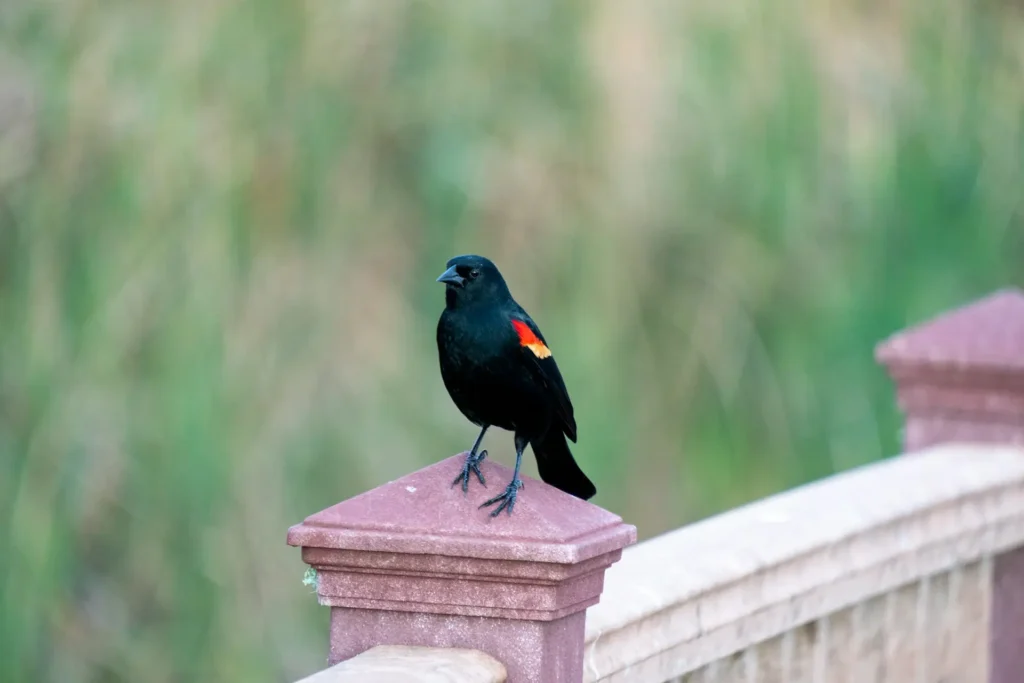
For residents across the Dallas-Fort Worth metroplex, the sudden, sickening thud of a bird hitting a window is an all too familiar sound. As our homes sit directly within the Central Flyway, a massive aerial highway for billions of migrating birds, our windows pose a transparent threat. Birds don’t perceive glass as a solid barrier; instead, they see a clear flight path through the house or a perfect reflection of the North Texas sky and nearby oak trees. By the time they realize the view in the glass is a mirror, it is often too late.
Preventing these collisions in a modern home doesn’t require boarding up your views, but it does require breaking up the reflection. The most effective strategy follows the “2×4 rule,” which involves placing visual markers on the exterior of the glass no more than two inches apart horizontally, or four inches apart vertically. While old-fashioned hawk silhouettes rarely work, modern solutions like UV-reflective tape, “Zen curtains” made of paracord, or sophisticated acid-etched glass patterns allow us to maintain our view while signaling to birds that the space is occupied. For a truly high-tech DFW home, UV-patterned glass is the gold standard, appearing perfectly clear to the human eye while glowing like a neon stop sign to birds.
Beyond the glass itself, DFW homeowners can join the “Lights Out, Texas!” initiative by dousing non-essential outdoor lighting during peak migration months from March to June and August to November. Disoriented by the glow of the metroplex at night, birds are often drawn toward residential areas where they are more likely to strike glass at dawn. By combining darker nights with bird-safe glass and placing feeders either very close to the window (under three feet) or very far away (over ten feet), we can ensure that our homes remain a sanctuary for us without becoming a hazard for the billions of travelers passing overhead.