
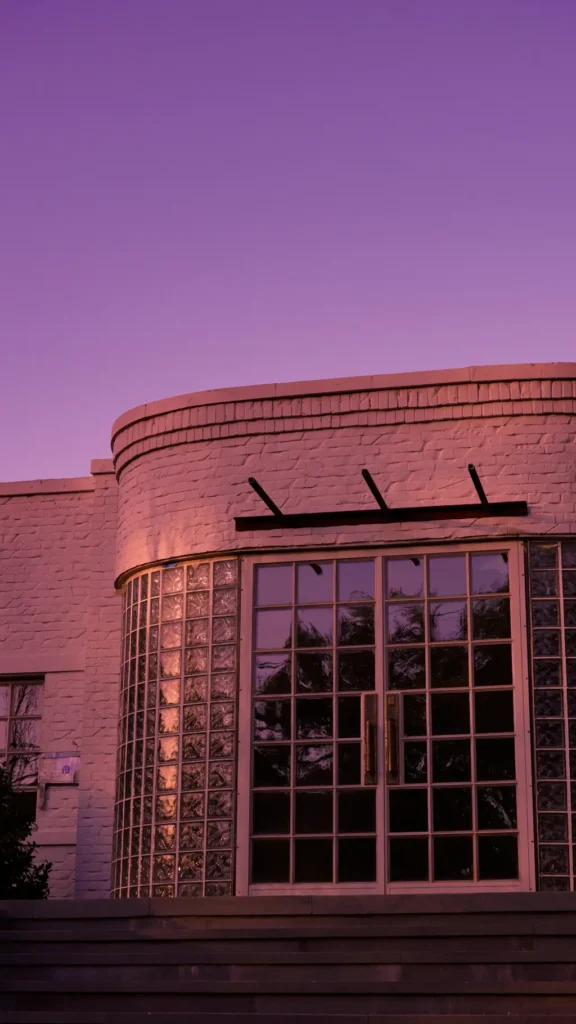
Introduction: Why DFW Needs Better Glass
Dallas-Fort Worth is a region of contrasts. Long, hot summers with scorching sunshine give way to torrential storms and occasional hail. Homes and businesses rely on their windows, doors and storefronts to keep interiors comfortable, energy‑efficient and secure. Yet many properties across DFW still have single‑pane windows, damaged insulated units or outdated storefront glass that fails to provide modern thermal performance.
Upgrading residential or commercial glass isn’t just about fixing a broken pane it’s an investment in comfort, efficiency, and property value. Whether you manage a multi‑tenant office building in Dallas or own a home in Fort Worth, this guide will help you understand when and why to replace your windows or commercial glass and how to choose the right products and contractor.
Key Takeaways
- Energy savings: Replacing outdated glass with modern Low‑E or insulated glazing units (IGUs) can cut heating and cooling costs dramatically while maintaining indoor comfort.
- Enhanced security: Tempered, laminated and impact‑resistant glass improve safety and resist break‑ins, storms and accidents.
- Commercial benefits: Well‑maintained storefronts and curtain walls attract customers, comply with codes and reduce operational costs.
- Local expertise: A DFW‑based glass company understands regional climate challenges, permitting requirements and building codes.
1. Signs You Need Glass Replacement
One of the most common questions we hear is: When should I replace my windows or storefront glass? Here are some key indicators:
1.1 Fogging Between Glass Panes
If you see condensation or fogging between the panes of double‑pane or triple‑pane windows, the seal on the insulated glass unit has failed. This allows moisture to enter and reduces thermal performance. Eventually the glass becomes cloudy and loses energy‑saving capabilities.
1.2 Cracked or Broken Glass
Obvious cracks, chips or shattered panes compromise safety. Cracked glass can fail during storms or temperature changes, while broken storefront glass poses security risks for businesses. Replacing the affected pane or unit is critical.
1.3 High Energy Bills & Drafts
Do you feel drafts around your windows? Are your energy bills climbing despite regular HVAC maintenance? Poorly insulated windows allow hot air into your home during DFW summers and let heat escape during cooler months. Upgrading to Low‑E, argon‑filled units can dramatically reduce energy usage.
1.4 Outdated Single‑Pane Windows
Older homes and buildings may still have single‑pane windows. These lack modern insulating coatings and gas fills, leading to excessive heat gain and loss. Upgrading to double‑pane IGUs or triple‑pane units improves comfort and reduces noise.
1.5 Difficult Operation
Windows or sliding glass doors that are difficult to open or close may have warped frames, broken hardware or worn tracks. This can affect security and indicates they’re approaching end of life. Replacement with new units restores function and safety.
1.6 Aesthetic & Curb Appeal
Fogged, cracked or mismatched panes detract from the beauty of your home or storefront. In commercial environments, clean and modern glass enhances brand perception and draws customers.
2. Benefits of Modern Glass Replacement
Investing in new windows and glass isn’t just about fixing problems — it provides significant benefits.
2.1 Energy Efficiency & Comfort
Modern Insulated Glass Units (IGUs) are typically double‑pane or triple‑pane with insulating gas (often argon) between layers. Adding Low‑E coatings reflects heat in summer and retains heat in winter, reducing energy consumption and improving comfort. In the DFW climate, Low‑E glass can reduce solar heat gain by up to 50%, keeping interiors cooler without overworking your HVAC system.
2.2 Noise Reduction
Dual‑pane and laminated glass reduce outside noise. This matters whether you’re in a downtown Fort Worth condo near busy roads or operate a restaurant in Arlington. Enhanced acoustics create a more peaceful environment.
2.3 Security & Safety
Tempered glass is heat‑treated to be stronger and, if broken, shatters into small, blunt pieces that reduce injury risk. Laminated glass holds together after breakage, deterring break‑ins and protecting occupants. Impact‑resistant glass provides hurricane‑level protection for businesses concerned about extreme weather.
2.4 UV Protection
Low‑E coatings and UV‑resistant laminates block harmful ultraviolet rays, preventing fading of furnishings, carpets and merchandise while letting visible light in.
2.5 Property Value & ROI
New windows increase curb appeal and can deliver a solid return on investment. According to real estate professionals, homeowners recoup a significant portion of the replacement cost when selling. For businesses, modern storefronts attract customers and reduce maintenance costs.
3. Residential vs. Commercial Glass Replacement
Residential and commercial projects share similarities but have distinct considerations.
3.1 Residential Glass Replacement
- Window sizes & styles: Homes use a variety of window styles—double hung, casement, sliding, fixed, bay—each requiring proper sizing and installation.
- Energy codes: Texas energy codes set U‑factor and Solar Heat Gain Coefficient (SHGC) requirements for residential windows. Proper Low‑E glass helps meet or exceed these codes.
- Aesthetic preference: Homeowners often select grids, tints or decorative glass to match architectural style.
- Installation access: Residential jobs often involve accessing windows from inside and outside. Skilled installers protect interior finishes and landscaping.
- Budget considerations: Homeowners typically aim for a balance of performance and cost. Energy rebates or tax credits may offset some expenses.
3.2 Commercial Glass Replacement
- Scale & complexity: Commercial projects range from single retail storefronts to multi‑story curtain walls. Larger surface areas require engineering for wind load, structural support and thermal movement.
- Code compliance: Building codes for commercial glass are stringent. Safety glass requirements for doors, storefronts and public spaces must be met. Fire‑rated and impact‑resistant glass may be required.
- Accessibility & egress: Glass must allow safe entry and exit. ADA compliance requires accessible door hardware.
- Security & branding: Storefronts must resist break‑ins and often include custom branding or etching.
- Project management: Commercial replacements may require phased installation to minimize disruption to business operations.
- Maintenance & cleaning: Easy access to window systems for cleaning and maintenance is important in office buildings and high rises.
4. Types of Glass & Frame Materials
Choosing the right glazing and frame material is crucial for performance, longevity and aesthetics.
4.1 Glass Options
- Insulated Glass Units (IGU): Two or three panes separated by a spacer and filled with gas. Provides thermal insulation and noise reduction.
- Low‑E Glass: Glass with microscopically thin metallic coatings that reflect infrared heat. Different Low‑E coatings are available to optimize performance for hot or mixed climates like DFW.
- Tempered Glass: Heat‑treated to be four to five times stronger than standard annealed glass. Required in doors, side lights and overhead glazing.
- Laminated Glass: Two or more panes bonded with a polyvinyl butyral (PVB) interlayer. Even when broken, the glass stays intact, enhancing security and storm protection.
- Impact‑Resistant Glass: Designed to withstand impacts from debris and high wind pressures (important for hurricane zones). Laminated with heavy interlayers and thicker panes.
- Tinted & Reflective Glass: Tints reduce solar heat gain and glare. Reflective coatings add privacy for offices and storefronts.
- Smart Glass: Electrochromic or photochromic glass can change tint on demand for privacy or light control. While costlier, it’s gaining popularity in modern office projects.
4.2 Frame Materials
- Vinyl: Durable, low maintenance, energy efficient and affordable. Common in residential windows.
- Aluminum: Strong and lightweight; ideal for commercial storefronts and curtain walls. Can conduct heat, so thermally broken frames are recommended.
- Wood: Offers natural beauty and insulation but requires maintenance. Often used in historic homes and high‑end applications.
- Fiberglass: Extremely strong and stable; resists thermal expansion and contraction. More expensive but lasts decades.
- Composite: Combines materials (often wood and fiberglass) for performance and aesthetics.
5. The Glass Replacement Process
Replacing glass involves several steps. Working with a qualified local company ensures the process runs smoothly.
5.1 Consultation & Assessment
A professional will evaluate your existing windows or storefront: measure dimensions, inspect frames, identify any water damage or structural concerns and discuss performance goals. For commercial projects, engineers may perform structural calculations to comply with wind load requirements.
5.2 Product Selection
Based on the assessment, you’ll select glass type, frame material and any additional options (tints, grids, coatings). For residential clients, energy performance and aesthetic fit are key. For commercial clients, considerations include traffic flow, security, branding and building codes.
5.3 Quote & Timeline
You’ll receive a detailed estimate outlining materials, labor and installation timeline. Residential projects typically complete within a day or two per home. Commercial projects may require phased installation to keep businesses open. Local companies often manage permit paperwork.
5.4 Installation & Cleanup
- Removal: Installers carefully remove old sashes or storefront framing, dispose of debris and prepare openings.
- Installation: New units are set, leveled and secured. Insulated glass is glazed into frames and sealed. For commercial storefronts, mullions, anchors and gaskets are installed to create a weather‑tight system.
- Finishing & Clean Up: Sealant is applied around frames, trim is reinstalled and the site is cleaned. Installers test window operation and ensure locks work properly.
- Disposal & Recycling: Reputable companies recycle old glass and aluminum where possible.
5.5 Follow‑Up
Most glass replacements come with manufacturer warranties on glass and frames, plus labor warranties from the installer. Annual inspections help maintain performance, particularly for commercial systems.
6. Cost Factors & ROI
6.1 Residential Cost Factors
- Number of windows: Replacing multiple windows at once can reduce per-unit costs because of economies of scale.
- Size & style: Larger and specialty windows (e.g., bays, bows) cost more. Custom shapes or decorative grids add cost.
- Frame material: Vinyl is generally most cost‑effective; wood and fiberglass cost more.
- Glass type: Low‑E double‑pane IGUs are standard. Triple‑pane and specialty glass (laminated, tempered) cost more but may provide greater energy savings or security.
- Installation complexity: Second-story or hard-to-reach windows may require additional labor or equipment.
6.2 Commercial Cost Factors
- Square footage: Cost often calculated per square foot of glass replaced. Large storefronts or curtain walls have higher material and labor costs.
- Framing system: Storefronts with thermally broken frames, custom finishes or complex shapes cost more.
- Glazing type: Tempered, laminated and impact‑rated glass increases cost.
- Building height & access: Multi-story buildings require lifts or scaffolding, adding to installation costs.
- Permitting & engineering: Structural engineering and building permits add cost but ensure safety and code compliance.
6.3 Return on Investment
While glass replacement is an investment, the returns can be significant:
- Lower utility bills due to improved thermal performance.
- Increased property value through curb appeal and energy efficiency ratings.
- Reduced maintenance costs with newer, more durable systems.
- Improved tenant retention & productivity for commercial buildings due to better comfort and aesthetics.
- Tax credits & rebates may be available for energy efficient upgrades.
7. Choosing a Glass Replacement Company in DFW
Selecting the right contractor is crucial for a successful project.
7.1 Experience & Expertise
Look for companies with a track record of residential and commercial projects in Dallas, Fort Worth and surrounding cities like Plano, Irving and Frisco. Experience ensures they understand local climate challenges and building codes.
7.2 Licensing & Insurance
Verify that the company holds required licenses and insurance. This protects you from liability in case of accidents and ensures adherence to industry standards.
7.3 Warranty & Support
Ask about product warranties, installation guarantees and service follow‑up. A reputable company stands behind its work.
7.4 Reviews & References
Check online reviews and request references. Past clients can provide insight into reliability, professionalism and quality.
7.5 Comprehensive Services
Companies like Alex’s Glass Company provide a full suite of services: insulated window glass replacement, patio door glass, custom mirrors, shower enclosures and storefront glass. Working with a single provider simplifies the process and ensures consistent quality.
8. Maintenance Tips for Lasting Performance
To get the longest life and best performance from your new windows or storefront:
- Regular cleaning: Use non‑abrasive cleaners and soft cloths. Avoid power washers on residential glass.
- Inspect seals & caulking: Replace any cracked or missing sealant to prevent air or water leaks.
- Lubricate hardware: Keep moving parts like locks and hinges lubricated for smooth operation.
- Shade & window treatments: For south‑facing windows in DFW, consider shades or films to supplement Low‑E coatings and reduce heat gain.
- Professional inspection: Have commercial storefronts and curtain walls inspected annually to detect and address issues early.
9. Conclusion: Invest in Comfort, Efficiency & Value
Glass replacement is more than a quick fix — it’s a strategic upgrade that pays dividends in comfort, energy savings and property value. In the Dallas–Fort Worth area, where extreme weather and rapid growth put constant demands on buildings, modern glass solutions provide essential protection and long‑term benefits.
Whether you own a home in Carrollton, manage a storefront in Mesquite or oversee a corporate office in Grand Prairie, investing in high‑quality glass replacement helps you:
- Lower utility bills and increase comfort
- Improve security and storm resistance
- Boost property value and curb appeal
- Meet or exceed modern energy codes
When you’re ready to upgrade your windows or commercial glass, partner with a trusted local expert. Alex’s Glass Company proudly serves the entire DFW metroplex, providing insulated glass replacement, custom mirrors, frameless shower enclosures and commercial glazing solutions. Contact us for a free consultation and discover how quality glass can transform your space.
Stay tuned for more guides and insights as we continue to build our library of resources for homeowners and businesses across Dallas–Fort Worth.