
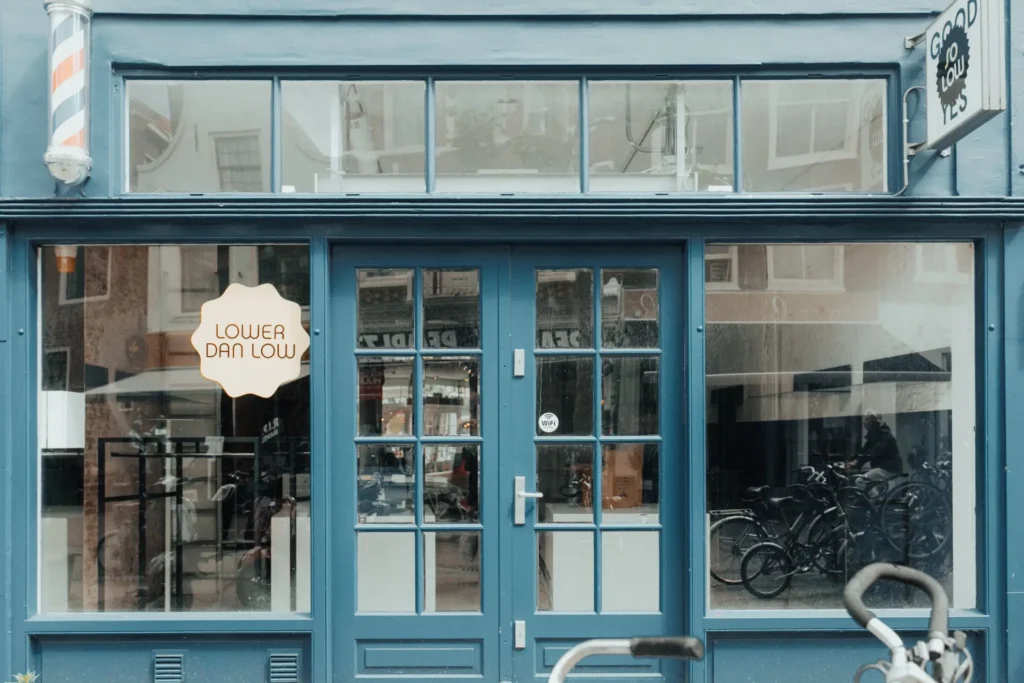
Retail store glass replacement needs to protect people, restore the right opening, and fit around store operations. The best starting point is to separate the urgent damage from the permanent repair, then plan how customers, employees, and deliveries will move while the work takes place.
A broken exterior panel is different from a damaged display shelf. Both matter, but they involve different materials and different risks to daily trading. Record each affected item rather than describing the whole request as “shop glass.”
This guide is for retail owners, center managers, and commercial landlords across Dallas-Fort Worth. For the exterior service category, see storefront glass replacement.
Which part of the store needs glass work?
Divide the request into exterior fixed panels, glass in entry doors, interior partitions, display glass, and mirrors. Then identify the concern for each item: breakage, a crack, internal haze, poor appearance, or a planned change.
Mark the location on a simple sketch or opening list. “Front left display window, viewed from outside” is clearer than “the big pane.” If the store has several entrances, label them by a fixed feature or suite plan.
For a shopping center in Arlington or a street-facing Dallas shop, an overall photo helps show the relationship between the damaged panel and public space. Include nearby doors and walkways. The installer needs to understand the setting, not just the crack itself.
What should happen when storefront glass breaks?
Keep people away from the affected area and stop using a door if its movement could disturb damaged glass. Alert the store manager and property contact. If a public walkway or shared entrance is involved, explain that immediately.
Do not ask staff to remove hanging pieces, push out damaged glass, or test an unstable panel. Get photos only from a safe position. If there is an active security incident or immediate danger, involve the appropriate emergency services before arranging the property repair.
Use the emergency storefront glass repair guide to prepare an enquiry. State whether the opening is exposed, whether the store can be secured, and whether another usable entrance exists. Those details help define the immediate problem.
When is board up part of a retail repair?
Temporary board up may be appropriate when permanent glass is not ready and the opening cannot remain exposed. It is a step toward the final repair, not a finished storefront solution.
Ask how the temporary protection will affect customer access, visibility, and the area around the opening. Any proposed arrangement needs to account for required exits and the building’s access rules. The property manager should be involved where a shared route is affected.
The board up guide explains the temporary service. Before approving it, clarify whether the estimate also includes measurement for replacement and how the permanent order will be authorized. Record who will contact whom when the material is ready so the repair does not stop at the temporary stage.
Can the store stay open during replacement?
That depends on the opening, work area, handling route, and ability to keep customers away. A fixed panel away from the main entrance may allow a different plan from a shattered door used by everyone entering the shop.
Discuss the work window with the installer and center manager. Identify the area that must be clear and whether a safe alternative entrance is available. Do not rely on a small sign alone to separate customers from glass handling.
Plan deliveries and promotions around the confirmed work arrangement. If a display or queue normally sits near the opening, move it before the appointment where safe. The commercial glass replacement overview gives broader context for coordinating work in occupied business premises.
How do you keep the replacement visually consistent?
Storefront panels are viewed beside one another, so differences in tint, reflection, or visible finish can stand out. Ask the property manager whether there are existing specifications or records from previous work.
Provide photos of the damaged opening and neighboring panels, but understand that a photo alone may not identify the glass. The installer may need to inspect the existing product or confirm details with available documentation.
If the original product cannot be matched exactly, request a clear explanation of the alternatives before ordering. Decide who approves appearance changes. A tenant may pay for the repair while the landlord controls the outside look, so price approval and specification approval may come from different people.
What makes retail door glass a separate scope?
Entry doors face repeated use from shoppers, deliveries, and staff. A glass replacement needs to suit the door system and opening. If the door also drags, slams, or fails to latch, record that as a separate condition for assessment.
Photograph the complete entrance, including fixed sidelights, without operating a damaged door. Explain whether the glass is inside a framed door or part of a different glazed system. Do not order by visible panel size alone.
The door glass replacement guide explains the general service. Where the entrance is unsafe, the emergency glass door repair guide helps identify the immediate information to provide. Confirm what glass work is included and whether another specialist must address hardware or access control.
How should display glass be specified?
Display shelves, cabinet panels, and counters should be assessed according to their actual use. The size, support arrangement, exposed edges, and expected loading can matter. A replacement that looks similar is not automatically suitable for the same role.
Empty the display and take photos of the whole fixture where safe. Tell the estimator how the glass is supported and what it normally holds. Do not choose a thickness based on an unrelated shelf or an online picture.
Ask whether the request falls within the company’s current custom glass scope. Specialized display equipment may involve a manufacturer or another supplier. Confirm responsibility for fittings, installation, and any fixture repairs before treating a glass order as a complete display repair.
What about fitting-room and sales-floor mirrors?
Mirrors often sit where customers are close to the surface, so the installation location and support need careful review. Describe whether the mirror is fixed to a wall, held in a frame, or part of furniture.
For a replacement, record the dimensions only if safely available and photograph the surrounding finish. Note nearby electrical fittings, trim, and any access limits. For a new mirror location, the wall and mounting conditions must be assessed before installation.
The custom mirror installation guide covers related planning. If a retail refurbishment includes both mirrors and storefront glass, price them as separate items. That lets you phase the work without confusing the urgent exterior repair with a later interior improvement.
How can a center manager reduce approval delays?
Keep a clear chain for reporting damage, approving an estimate, and granting access. The store employee who notices the issue may not have authority to approve a custom order. A named decision-maker prevents repeated calls to different people.
Provide the billing entity, suite number, and any purchase-order requirement with the enquiry. Confirm whether vendor documents need review before attendance. If an urgent temporary measure has a different approval process from permanent replacement, explain both.
For centers with food tenants as well as shops, the restaurant glass replacement guide covers another business setting. Each tenant still needs an individual access and work-area plan; similar-looking storefronts do not mean the operating conditions are identical.
What affects the installation schedule?
The schedule depends on the specified glass, final measurement, material availability, access, and the approved scope. A requested reopening date is important information, but it does not confirm that every product can be supplied by then.
Ask for the stages in plain terms: assessment, approval, ordering, expected readiness, and installation. Identify what could hold up each stage. If the landlord must approve the match, do that before assuming the fabrication clock has started.
Our same-day glass repair guide explains why immediate help may involve protection rather than permanent replacement. For a store, that distinction allows you to plan staffing and customer communication around the actual work being offered.
How should you review the commercial quote?
Check whether work near a display also affects removable security sensors or store graphics. Assign any disconnection, relocation, or reinstatement to the appropriate provider. The glass installer should not arrive to find an unplanned fitting attached to the panel. A short photo review with the store manager can identify these dependencies before the replacement visit and keep the final glass scope clear.
Check the opening identifiers, quantity, and glass specification. Confirm whether existing framing and related components are being reused. Ask what happens if closer inspection reveals damage outside the quoted glass scope.
Review temporary protection, disposal, access equipment, film or graphics, and work outside normal hours as separate line items or clear inclusions. Window graphics may need coordination with a sign supplier after the new glass is installed.
For broader improvements, the commercial glazing contractor guide explains how glass work fits into a larger project. Keep routine pane replacement distinct from redesigning an entrance so you can compare quotes on a consistent basis.
What should the store check before reopening the area?
Arrange a handover with the person responsible for the store. Review the completed opening, any remaining work, and the installer’s instructions for normal use and cleaning. If part of the entrance remains restricted, make sure staff understand the arrangement.
Where glass replacement affects a display, do not reload it until the installer confirms the appropriate next step. Where door operation is included in the scope, review it with the responsible contractor rather than assuming it was addressed by the glass work alone.
Save photos, the invoice, and product details against the correct suite and opening. For a center manager, those records can support future matching requests and help distinguish a new incident from an unresolved item on an earlier job.
Frequently asked questions
Can only one storefront panel be replaced?
It may be possible if the surrounding system is suitable and compatible glass is available. The opening still needs assessment, and the proposed appearance should be reviewed against adjacent panels.
Is board up included with every retail glass quote?
Do not assume so. Ask whether temporary protection is needed, what it costs, and whether removal during permanent installation is included in the agreed work.
Can installation happen before the store opens?
Ask about available appointments and building access. Any special timing needs agreement with both the installer and the person responsible for the property.
Can the same glass be used for a window and a shelf?
Do not assume products are interchangeable. Their supports, loads, location, and safety requirements differ. Have each application assessed for its intended use.
Should the landlord approve a matching panel?
Check the property’s process. Landlords or center managers may control exterior specifications even when a tenant arranges the repair. Clarify that before releasing an order.
Arrange retail glass work in DFW
Send Alex’s Glass Company the store address, suite number, photos, and affected opening through the contact page. Include the approval contact, trading hours, and whether temporary protection is needed. For a planned retail project, add an opening list and available specifications so the glass scope can be reviewed clearly.