
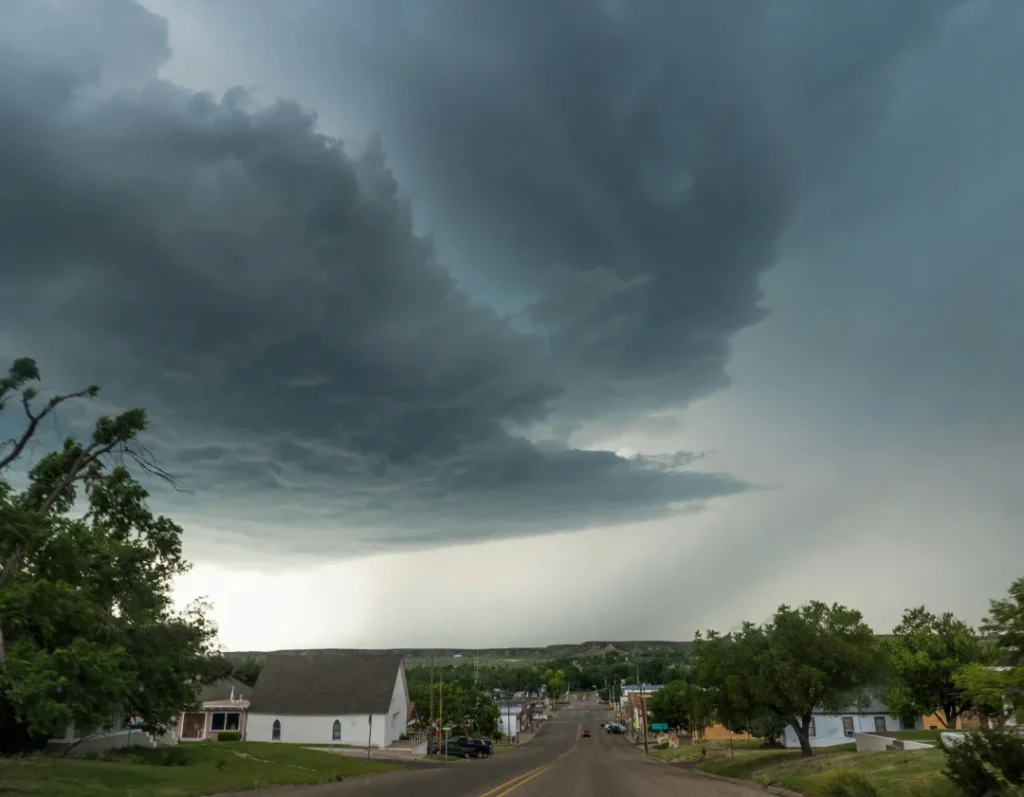
In Dallas-Fort Worth, storms are part of life. Strong winds, hail, sudden temperature changes, and heavy rain can all put pressure on your home’s windows.
Most homeowners look for obvious damage after a storm, like shattered glass or visible cracks. But many window problems start in a less noticeable way.
One of the most common hidden problems after storms in Texas is window seal damage.
And the difficult part is that seal damage does not always appear immediately. In many cases, homeowners only notice the issue weeks or even months later.
In this guide, we will explain how storms damage window seals, what signs to watch for, and when it may be time to replace the glass before the problem gets worse.
What is a window seal?
Many modern homes in Dallas use double-pane windows. These windows have two layers of glass with insulating gas and sealed spacing between them.
The seal around the glass helps keep moisture out while improving insulation and energy efficiency.
When the seal is damaged, outside moisture and air can slowly enter the space between the glass panes.
Over time, this leads to foggy windows, reduced insulation, and weaker overall window performance.
Storm pressure can weaken seals over time
Texas storms create strong pressure changes around homes and buildings.
Heavy wind pressure, flying debris, hail impacts, and rapid temperature shifts can all stress window systems.
Even if the glass itself does not break, the seal around the insulated glass unit may weaken.
Sometimes the damage is very small at first. The window may still look normal immediately after the storm. But over time, the weakened seal slowly begins to fail.
This is one reason many homeowners suddenly notice foggy windows months after a major storm season.
Heat and storms together make the problem worse
In Dallas-Fort Worth, windows deal with both severe storms and extreme heat.
After storms weaken the seals, Texas heat can make the problem worse.
Glass naturally expands and contracts during temperature changes. When seals are already damaged, repeated heat stress can accelerate the failure process.
This combination of storms and heat is one reason insulated glass problems are common across North Texas.
If you want to understand more about heat-related glass stress, this article may help:
Why Windows Crack in Texas Heat
Foggy windows are one of the biggest warning signs
One of the clearest signs of seal failure is moisture or fog between the glass panes.
This usually means the seal has already failed and outside air is entering the insulated space.
At first, the fog may only appear in the morning or during humidity changes. Later, it may become permanent.
Many homeowners think the window simply needs cleaning, but cleaning the outside will not fix moisture trapped between the panes.
This guide explains the issue in more detail:
Seal damage can increase energy costs
When seals fail, windows lose much of their insulating performance.
This means your air conditioning system may need to work harder during hot Texas summers.
Rooms near damaged windows may feel warmer, less comfortable, or drafty.
Over time, this can increase energy usage and make temperature control more difficult inside the home.
Many homeowners choose to upgrade to energy-efficient glass after seal failure.
Low-E glass is especially popular in DFW because it helps reduce heat transfer and improve comfort.
You can learn more about that here:
How Low-E Glass Helps Insulate Homes in DFW
Sometimes the damage is not visible immediately
One important thing to understand is that storm-related seal damage is not always obvious right away.
The seal may weaken slowly after repeated exposure to:
- Strong wind pressure
- Flying debris
- Rapid temperature shifts
- Heavy rain and humidity
- Hail impacts
Because the damage develops gradually, homeowners often do not connect the issue to storms that happened earlier in the year.
When should you replace the glass?
If the seals have failed and moisture is trapped between the panes, replacing the glass is usually the best solution.
The good news is that many windows do not require full frame replacement.
In many situations, only the insulated glass unit can be replaced, which is often more affordable and less disruptive.
The right solution depends on the age of the window, the condition of the frame, and the extent of the damage.
Do not wait too long
Window seal damage usually gets worse over time.
The longer moisture stays inside the glass system, the more noticeable the fogging and insulation problems become.
Addressing the issue early can help improve comfort, efficiency, and appearance before larger problems develop.
How to protect your windows after storms
After major storms in Dallas-Fort Worth, it is a good idea to inspect your windows carefully.
Look for:
- Small cracks or chips
- Moisture between panes
- Drafts near windows
- Windows that suddenly look cloudy
- Changes in indoor temperature near the glass
Even small warning signs can suggest early seal problems.
If your windows suffered direct storm damage, this article may also help:
Storm Damaged Windows in Dallas-Fort Worth
Final thoughts
Texas storms do not always break windows immediately. Sometimes the damage happens slowly through weakened seals and hidden pressure damage.
Over time, these issues can affect your home’s comfort, energy efficiency, and window performance.
The good news is that many seal problems can be solved before they turn into larger repairs.
At Alex’s Glass Co., we help homeowners and businesses across DFW inspect damaged glass systems and find practical replacement solutions.
If you are dealing with foggy windows, seal failure, or storm-related glass problems, you can contact us here for a free quote: