
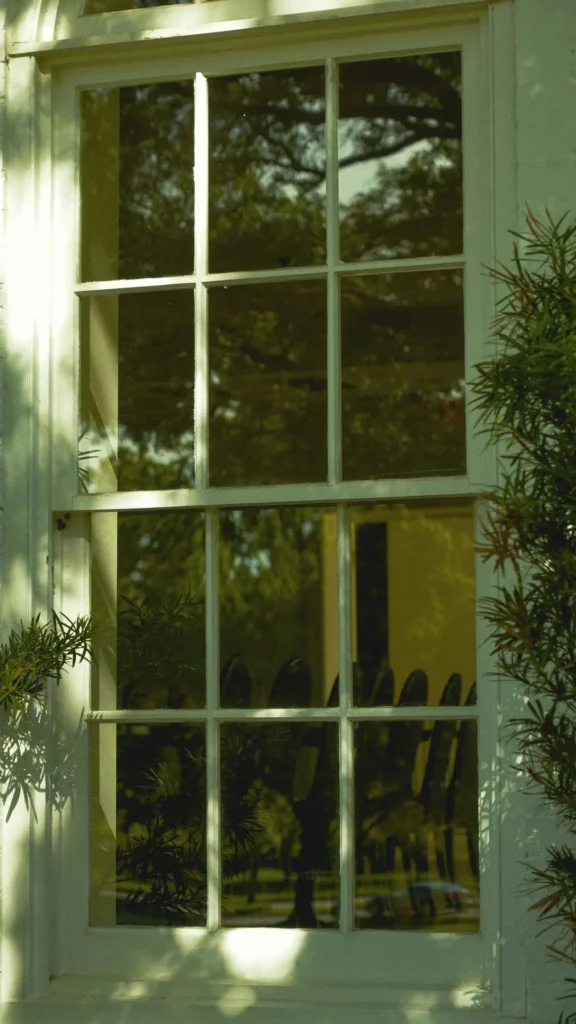
Texas heat can be tough on almost everything around your home, especially your windows.
Many homeowners in Dallas-Fort Worth are surprised when they suddenly notice a crack in their window glass, even though nothing hit it. Sometimes the crack seems to appear overnight. Other times it starts small and slowly spreads across the glass.
The truth is that extreme heat, temperature changes, pressure, and older glass systems can all put stress on windows over time.
In this guide, we will explain why windows crack in Texas heat, what warning signs to look for, and when it may be time to replace the glass before the damage gets worse.
Texas heat puts stress on glass every day
Dallas summers are intense. During the hottest parts of the year, glass is exposed to strong sunlight and high outdoor temperatures for many hours every day.
Glass expands when it gets hot and contracts when it cools down. Over time, this repeated movement creates stress inside the window.
If the glass already has weak spots, small chips, poor installation, or pressure issues, the heat can eventually cause cracks to form.
This is especially common in older windows or windows that already have damaged seals.
Small cracks can spread quickly
One important thing homeowners should understand is that a small crack rarely stays small forever.
Heat changes throughout the day can make the crack continue spreading across the glass. What starts as a short line in the corner can eventually affect the entire window.
Storms, strong wind pressure, and even opening or closing nearby doors can sometimes add more stress to the damaged glass.
If you are dealing with cracked glass right now, this guide may help explain whether replacement is necessary:
Does Cracked Glass Need to Be Replaced?
Direct sunlight can create thermal stress cracks
Some cracks are caused by what professionals call thermal stress.
This happens when one part of the glass becomes much hotter than another part. For example, direct sunlight may heat one section of the window while another section stays cooler because of shade or indoor air conditioning.
That uneven temperature creates pressure inside the glass.
Over time, the stress can become too much and cause the glass to crack.
Large windows, older windows, and dark-framed windows can sometimes be more vulnerable to this issue.
Damaged seals make the problem worse
If your windows already have failed seals or moisture between the panes, the glass system may already be weakened.
Once the seal fails, the insulated glass unit loses part of its protection and efficiency.
That means the window may react more strongly to outside heat and temperature changes.
If your windows look foggy or cloudy, you may already have seal failure issues:
Older windows are more likely to crack
Windows do not last forever.
As windows age, the glass, seals, and framing materials slowly wear down from years of exposure to sunlight, weather, and temperature changes.
Older windows are often less energy efficient and more vulnerable to damage.
If your windows are older and starting to show signs of wear, it may be worth checking this guide:
Can Low-E glass help reduce heat stress?
In many cases, yes.
Low-E glass is designed to help reduce heat transfer and improve insulation. This helps keep indoor temperatures more stable while reducing the amount of heat entering the home.
Many homeowners across DFW upgrade to Low-E glass because of the Texas climate.
It can help improve comfort, reduce energy costs, and support better window performance during extreme heat.
You can learn more about Low-E glass here:
How Low-E Glass Helps Insulate Homes in DFW
Storm damage and heat can work together
Sometimes a window does not crack immediately after a storm.
Small impacts from hail or flying debris may weaken the glass first. Then later, Texas heat adds pressure to the already damaged area and causes the crack to spread.
This is why it is important to inspect your windows after strong storms, even if the glass does not look fully broken at first.
If your property recently experienced storm damage, this article may help:
Storm Damaged Windows in Dallas-Fort Worth
Warning signs you should not ignore
Some signs may suggest your windows are under stress even before large cracks appear.
These signs can include:
- Small corner cracks
- Foggy or cloudy glass
- Drafts near windows
- Difficulty opening windows
- Higher energy bills
- Visible chips or pressure marks
Taking care of these problems early is usually easier and less expensive than waiting for the damage to become worse.
Do you always need full window replacement?
Not always.
In many situations, you can replace only the damaged glass instead of replacing the full window frame.
This can save both time and money, especially when the frame itself is still in good condition.
The best option depends on the condition of the window, the type of damage, and the age of the system.
Final thoughts
Texas heat puts constant pressure on windows, especially during long Dallas summers.
While some cracks happen suddenly, many start from smaller issues that slowly grow over time.
The good news is that early action can help prevent larger repairs and protect your home’s comfort, energy efficiency, and safety.
If you notice cracked, foggy, or damaged glass, it is usually better to inspect the problem sooner rather than later.
At Alex’s Glass Co., we help homeowners and businesses across Dallas-Fort Worth find practical solutions for damaged or aging glass systems.
If you would like a free quote or professional guidance, you can contact us here: