
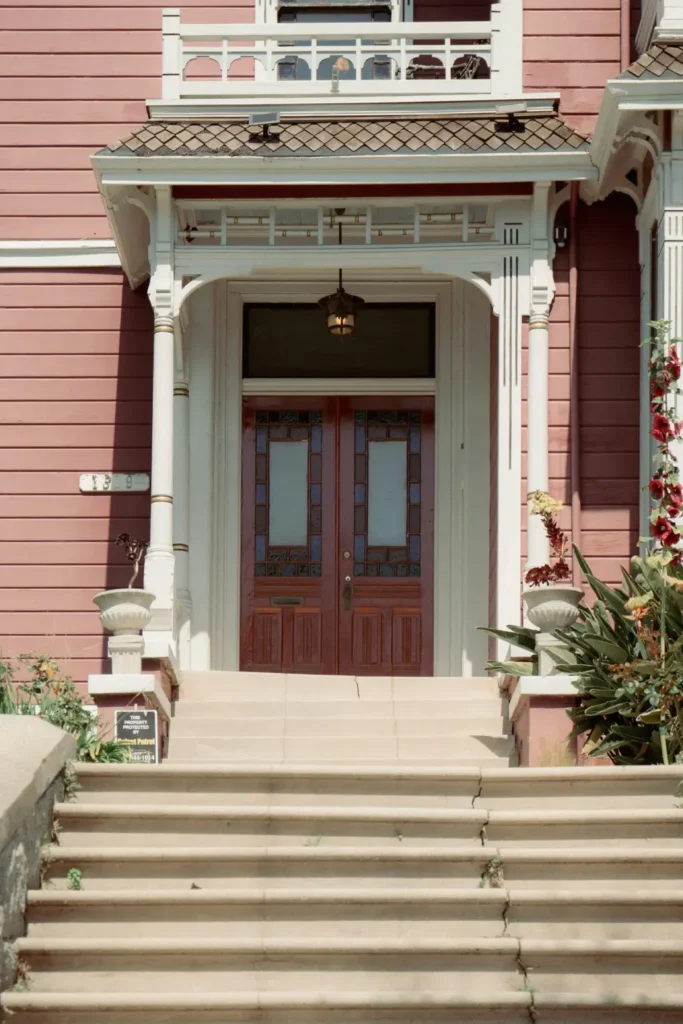
Your front door does more than open and close. It affects how your home looks from the street, how much natural light comes into the entry, and how safe and private the space feels when someone walks up to your house.
That is why damaged entry glass feels like a bigger problem than many homeowners expect. A crack in the glass, a foggy decorative insert, or an old design that blocks too much light can make the whole front of the home feel tired. The good news is that you do not always have to replace the whole door. In many cases, the smarter option is to replace only the glass and keep the rest of the entry system if it is still in good condition.
If you are looking at your front door and wondering whether the whole unit must go, this guide will help you think through the decision. It will also help you choose the right kind of replacement glass if your goal is better privacy, safer glazing, or better comfort near the entry.
When replacing just the glass makes sense
In many front entry systems, the glass can be replaced without replacing the entire door. That is usually true when the main door slab is still solid, the frame is still working well, and the real problem is the glass itself. For example, the glass may be cracked after impact, cloudy because the seal failed inside an insulated unit, or simply outdated compared with the rest of the home. Alex’s Glass Company already presents glass-only replacement as the preferred path whenever possible on its local service pages, which is exactly the kind of thinking many homeowners want before spending money on a larger project.
A few common situations point toward glass-only replacement. One is a broken glass insert in an otherwise healthy front door. Another is decorative or insulated glass that has become foggy between panes. Federal energy guidance explains that insulated glazing uses sealed panes with an air space between them, so once that seal fails, performance and clarity both suffer. In older entry doors, homeowners also replace the glass simply because they want more privacy, a cleaner design, or a better match with recent exterior upgrades.
There are also times when replacing only the glass is not the best answer. If the wood around the opening is rotten, if the slab is badly warped, if water has damaged the structure around the insert, or if the door no longer closes correctly because of a bigger frame issue, then the glass is probably not the only problem. In that case, a glass contractor may tell you that the entry needs door or carpentry work first. That kind of honesty is important, because the goal is not just to make the glass look better for a few months. The goal is to solve the real problem.
For homeowners, this is often where a clear quote process matters. Alex’s Glass Company explains its process in a simple way: clear pricing first, then a quick site measure, then a clean install. The company also asks customers to send photos and approximate sizes for faster pricing, and it clearly notes that it focuses on residential and commercial glass rather than autoglass or window frames. That makes this kind of project easier to start because the next step is usually a few photos and a short message, not a long inspection appointment just to begin the conversation.
If you want to place an internal link early in the article, this is the best point to link to Services and later to Contact. It keeps the article helpful while still moving ready-to-buy visitors toward the quote page in a natural way.
Choosing the right glass for your entry
Once you know the door itself can stay, the next question is what kind of glass you should install. This is where a lot of homeowners slow down, because front entry glass is not only about looks. It is also about code, safety, privacy, light, and sometimes energy performance.
Safety matters first. Building code guidance treats glazing in doors as a hazardous location, and nearby panels can also require safety glazing when they are close enough to the door and low enough to the floor. In plain language, that means front door glass and sidelights are often the places where safety glass is expected, not ordinary glass. If your front entry includes one or two sidelights, that detail becomes especially important.
The same code guidance is very specific about adjacent glass. It highlights glazing within 24 inches of a door and with the bottom edge under 60 inches above the floor as an area that often needs safety glazing. That is one reason a sidelight project should be measured and specified carefully instead of treated like a random decorative pane. If your goal is a clean replacement that looks original and feels safe, this part should not be guessed.
The next decision is privacy. Some homeowners want a clear insert because the entryway is set back from the street and they want more daylight. Others want frosted, rain, reed, or patterned glass because they want privacy without making the entry feel dark. This is where a good front door glass replacement can do more than fix damage. It can improve how the entrance feels every single day. A brighter entry can make the home feel more open, while a more private texture can make the front of the house feel calmer and more secure.
You should also think about heat and comfort, especially if the front of the home gets strong afternoon sun. Federal energy guidance for warmer climates recommends glazing choices that reduce heat gain, and it explains that low-e coatings and lower solar heat gain values can help in hot-weather conditions. It also notes that insulated glazing lowers heat transfer and solar heat gain compared with simpler glass setups. So if you are already replacing a front door insert, it can be smart to ask whether an insulated or low-e option makes sense for that opening.
If energy performance matters to you, labels matter too. Federal guidance says buyers should look for recognized efficiency labels and performance ratings rather than judge glass only by appearance. That does not mean every front entry needs the most advanced glass package available. It simply means that if your old insert lets in too much heat, feels drafty, or fogs up over time, the replacement is a chance to improve more than the look of the door.
For internal linking, this section is the right place to link naturally to Safety Glass DFW: Tempered vs Laminated and, if you want a second support link, to DFW Glass Replacement Quote Guide. Those two links support both education and conversion without sounding forced.
What the process looks like in DFW
Most homeowners want the timeline to feel simple. First, you send photos and approximate sizes. Then the glazing company reviews the project and gives a clear quote. After approval, the next step is a site visit to confirm measurements so the replacement glass can be ordered correctly. After that comes installation and cleanup. Alex’s Glass Company describes that exact flow on the site, and it also notes that same-week installs are often available, which is a strong selling point when damaged front entry glass is affecting safety or curb appeal.
The measurement step matters more than many people think. Front door glass is not always a simple rectangle. Some entries use decorative inserts, shaped glass, textured designs, or sidelights that must match the look of the main opening. In some cases, the goal is to match the existing style closely so the home keeps its original character. In other cases, the homeowner wants the opposite and uses the replacement to give the entry a more current look. Either way, exact sizing and correct glass selection are the difference between a clean result and a project that always looks slightly off.
If your front door glass is cracked, foggy, outdated, or simply not giving you the privacy and light you want, replacing the glass may be the easiest way to improve the entire entrance without taking on a full door replacement. And if the rest of the entry is still in good shape, that can be the right move for both cost and appearance.
If you want help comparing clear, frosted, textured, insulated, or safety-glass options for your front entry in DFW, start with Services, look through Projects, and then request pricing through Contact. A few photos and approximate measurements are usually enough to start the conversation.