
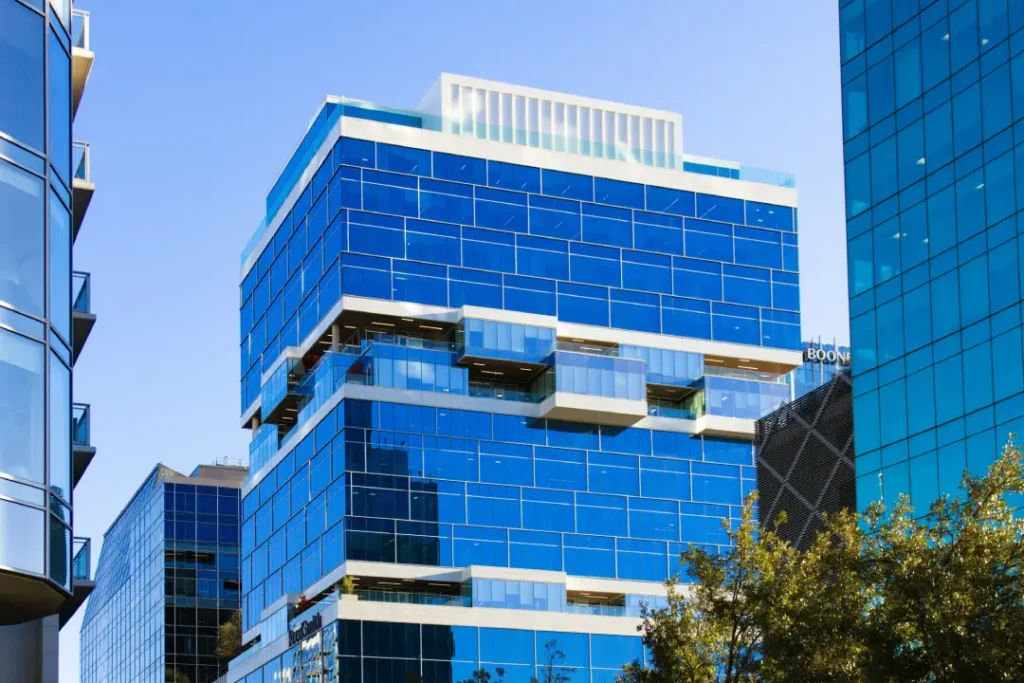
Low‑emissivity (low‑E) glass isn’t just a residential upgrade it’s a game‑changer for commercial properties in Dallas–Fort Worth (DFW). In a region known for blazing summers, volatile weather and rising energy costs, the right glazing can significantly improve a building’s comfort, performance and bottom line. This article explores the science behind low‑E coatings, why they matter for offices, retail stores and multifamily buildings, and how investing in high‑performance glass can help your property rank at the top of the commercial real‑estate market.
Understanding Low‑E Glass
What Is Low‑E Glass?
Low‑emissivity (low‑E) glass is standard float glass coated with thin layers of metal or metallic oxide. These microscopic coatings often made of silver, tin oxide or combinations of metals alter the way glass interacts with the electromagnetic spectrum. Low‑E glass lets visible light pass through while reflecting most ultraviolet (UV) and infrared (IR) radiation. By reflecting IR heat back toward its source, low‑E glazing keeps interiors cooler in summer and reduces heat loss in winter. The coating’s emissivity a measure of how much thermal radiation it emits can be as low as 0.02, meaning it only emits 2 % of heat energy and reflects 98 %.
The idea behind low‑E glass isn’t new. Early window manufacturers used tin oxide to reduce heat transfer. Today, however, nanotechnology allows manufacturers to apply multiple ultrathin layers (often 8 -12 layers) on a single pane. Each layer is engineered to reflect specific wavelengths of the solar spectrum. The result is highly selective glass that offers the best of both worlds: plenty of daylight with dramatically reduced heat gain.
How Low‑E Coatings Work
Low‑E coatings are categorized by the environment in which they’re applied:
- Soft coat (sputtered) low‑E – created by depositing microscopically thin layers of silver and other metals onto the glass surface in a vacuum chamber. Soft‑coat low‑E glass has excellent thermal performance but must be protected inside an insulated glass unit (IGU) because the coating is delicate.
- Hard coat (pyrolytic) low‑E – applied when the glass is still hot from the float process. A metal oxide layer fuses with the glass surface, creating a hard, durable coating. Hard‑coat low‑E is less effective than soft‑coat at reflecting heat but it’s easier to fabricate and can be used on single panes.
Both types act as spectral filters. Visible light (~400 -700 nm) passes through because our eyes need it. Solar UV (~100 -400 nm) and IR (~700 nm -1 mm) are either absorbed and re‑radiated or reflected back. In cooling‑dominated climates like DFW, solar‑control low‑E coatings are designed to reduce solar heat gain by reflecting a larger portion of IR while maintaining high visible light transmission. In heating‑dominated climates, high‑solar‑gain coatings maximize passive solar energy.
Why Low‑E Matters for Commercial Buildings
Impact on Energy Consumption and Comfort
Commercial buildings often feature large expanses of glass curtain walls, storefronts and floor‑to‑ceiling windows that can dramatically influence heating and cooling loads. Heat gain and loss through windows account for 25 – 30 % of a building’s HVAC energy use. In DFW’s hot summers, uncoated glass can allow so much solar heat into a building that the air‑conditioning system operates at peak capacity all afternoon. Low‑E coatings reflect heat‑causing IR radiation, reducing solar heat gain and the corresponding cooling load. By the same mechanism, low‑E glass helps retain heat on chilly winter days, reducing heating demand.
Low‑E coatings also filter ultraviolet rays, protecting carpeting, furnishings and merchandise from fading. They minimize glare by selectively reflecting parts of the visible spectrum. With less glare and more balanced daylight, occupants are more comfortable and productive, and retail displays remain vibrant.
Enhanced Thermal Comfort for Occupants
Occupant comfort is critical for productivity and customer satisfaction. Standard clear glass allows IR radiation to penetrate, causing hotspots near windows and uneven temperatures throughout a space. Low‑E glazing improves thermal comfort by maintaining consistent indoor temperatures. For example, modern low‑E coatings can reduce surface temperatures on interior glass, preventing that oven‑door effect many offices experience near south‑facing windows. Employees and patrons seated near windows feel less radiant heat in summer and less chill in winter.
UV Protection and Product Longevity
Beyond comfort, ultraviolet radiation degrades fabrics, artwork and merchandise. Low‑E coatings filter up to 99 % of UV light, protecting the interior environment. This benefit is particularly important for retail stores, galleries and corporate headquarters that display expensive materials. Reducing UV exposure also prolongs the life of flooring, furniture and electronics, lowering long‑term replacement costs.
Low‑E Glass and Energy Efficiency in DFW’s Climate
Challenges of the Dallas–Fort Worth Climate
Dallas -Fort Worth sits in a subtropical climate zone characterized by long, hot summers and mild winters. Average summer highs often exceed 95 °F (35 °C), and heat index values can soar well above 100 °F due to humidity. This heat puts tremendous strain on commercial HVAC systems and leads to high electricity bills. By reflecting IR radiation, low‑E glass reduces solar heat gain, lowering interior temperatures and helping businesses control cooling costs.
During occasional cold snaps, low‑E windows also help by reflecting interior heat back into the building, stabilizing indoor temperatures. With Texas experiencing more frequent extreme weather events, resilience matters. The right glazing helps maintain a comfortable indoor environment even when outdoor temperatures swing dramatically.
Energy Code Compliance and Incentives
Texas has adopted the 2015 International Energy Conservation Code (IECC) for commercial buildings, which mandates performance standards for windows based on climate zones. In climate zones 3 and 4 (which include DFW), window assemblies must meet minimum solar heat gain coefficient (SHGC) and U‑factor requirements. High‑performance low‑E glass helps commercial buildings comply with these standards and can contribute to LEED certification.
Many utilities in Texas also offer rebates for installing energy‑efficient windows. For example, Oncor’s Commercial HVAC Program provides incentives for upgrades that reduce peak demand, including energy‑efficient glazing. When combined with potential federal tax deductions under Section 179D which rewards commercial building owners for implementing energy‑saving measures low‑E windows become a cost‑effective investment.
Types of Low‑E Glass for Commercial Properties
Solar‑Control vs. Passive Low‑E
There are two broad categories of low‑E coatings:
- Solar‑control low‑E – optimized for cooling‑dominant climates like DFW. These coatings reflect a significant portion of solar IR while maintaining visible light transmission. They typically have low SHGC values (<0.30) to minimize heat gain. Solar‑control coatings are ideal for office buildings, schools, hospitals and retail centers that operate air conditioning for much of the year.
- Passive low‑E – designed to admit some solar energy for passive heating in colder climates. They have higher SHGC (≥0.40) to allow sunlight in, reducing heating demand in winter. Passive coatings may be appropriate for northern Texas or interior portions of multifamily buildings that need year‑round comfort.
Double‑Pane vs. Triple‑Pane Assemblies
Most commercial windows in DFW are double‑pane insulated glass units (IGUs) containing two glass lites separated by a spacer and filled with inert gas (typically argon). Adding low‑E coatings to one or both lites significantly improves performance. A double‑pane window with a low‑E coating and argon gas can reduce heat transfer by up to 50 % compared with clear glass.
Triple‑pane IGUs incorporate a third lite and two insulating cavities. They deliver outstanding thermal resistance, often achieving U‑factors below 0.20. While popular in northern climates, triple‑pane windows may not provide a good return on investment in DFW, where cooling loads dominate and the additional weight affects framing requirements. However, for high‑rise buildings seeking maximum performance or pursuing LEED credits, triple‑pane systems are worth considering.
Tinted and Reflective Glass Options
Low‑E coatings can be paired with tinted or reflective glass to fine‑tune performance. Gray or bronze tints absorb some solar energy, further reducing heat gain. Highly reflective coatings create a mirror‑like appearance that reflects sunlight away from the building. While effective at controlling heat, very reflective glass may conflict with local design guidelines or create glare for neighboring buildings. Tinted or reflective low‑E glass is common in high‑rise offices and hospitals where controlling solar gain is paramount.
Case Studies: Low‑E Glass in Action
Office Building Retrofit in Uptown Dallas
A mid‑1980s office tower in Uptown Dallas underwent a major renovation to improve energy efficiency and attract tenants. The building’s original single‑pane tinted windows had U‑factors around 0.75 and allowed significant solar heat gain. After consulting with a glazing contractor, the owners selected dual‑pane, soft‑coat low‑E windows with a U‑factor of 0.29 and SHGC of 0.28. The retrofit included new aluminum frames with thermal breaks.
Results: Building energy modeling predicted a 25 % reduction in summer cooling loads. Post‑installation, the property reported energy savings of more than $120,000 per year and a payback period under seven years. Occupants reported fewer hot spots and improved comfort near the curtain wall.
Retail Storefront Upgrade in Arlington
A national retail chain’s Arlington store had east‑facing windows that created unbearable glare in the mornings and increased air‑conditioning use. The chain replaced these clear storefront windows with hard‑coat low‑E glass laminated with a gray tint. The new glass reduced daytime glare without darkening the interior, and store employees noted merchandise no longer faded near the windows.
Results: Monthly energy bills dropped by approximately 8 %. The store’s window displays looked better under natural light, boosting foot traffic.
Multifamily Development in Plano
A luxury apartment complex in Plano sought to differentiate itself with eco‑friendly features. Developers chose high‑solar‑gain, passive low‑E windows for south‑ and west‑facing units. These windows admitted more winter sun while still reflecting a portion of summer heat. The project also included shading devices and high‑efficiency HVAC systems.
Results: Tenant utility expenses were 15-20 % lower than comparable units in older buildings. The complex received a Green Building label, appealing to sustainability‑minded renters.
Benefits Beyond Energy Savings
Improved Daylighting and Productivity
Low‑E glass allows abundant natural light without the harsh glare that often accompanies clear glass. Exposure to daylight has been linked to improved employee productivity and reduced absenteeism. Better daylighting also means less reliance on electric lighting, delivering additional energy savings. With proper design, low‑E windows help create inviting common spaces in hotels, restaurants and lobbies—essential for marketing and customer experience.
Noise Reduction and Security
Modern low‑E windows often incorporate laminated glass or thicker glazing for improved security and acoustic performance. In busy urban environments like downtown Dallas, noise reduction is a valuable benefit. Laminated IGUs with low‑E coatings can reduce sound transmission by up to 50 % compared with standard windows. Enhanced security glass also deters break‑ins important for ground‑floor retail stores and financial institutions.
Reduced Maintenance and Long‑Term ROI
Because low‑E coatings protect interior furnishings, businesses spend less on replacing faded carpets or merchandise. Durable coatings paired with quality framing materials also reduce condensation and seal failures. While the initial cost of low‑E windows is higher than clear glass, energy savings and reduced maintenance lead to a strong return on investment (ROI). Many commercial property owners recover their investment through lower utility bills, increased rental income and higher occupancy rates.
Choosing Low‑E Windows for Your Commercial Property
Consider Building Orientation and Usage
Selecting the right low‑E glass starts with understanding how your building receives sunlight. South‑ and west‑facing facades in DFW receive intense afternoon sun. Solar‑control low‑E coatings with low SHGC values are ideal here. North‑ and east‑facing facades may benefit from higher visible light transmission. Consider occupant needs: offices with computer screens require glare control, while restaurants may prefer more daylight.
Evaluate U‑Factor and SHGC Ratings
The U‑factor indicates how well a window insulates (lower is better), while solar heat gain coefficient (SHGC) measures how much solar radiation passes through (lower numbers reduce heat gain). For climate zones 3 and 4, commercial codes often target U‑factors of 0.40 or less and SHGC values below 0.25 for west‑facing glass. Consult a glazing specialist or energy modeler to balance these values with daylighting goals.
Consider Frame Materials and Installation
Framing material affects overall performance. Aluminum frames with thermal breaks prevent conductive heat transfer and are common in commercial curtain walls. Fiberglass and composite frames offer excellent thermal performance but may have design limitations for large spans. Proper installation including sealing, flashing and alignment is critical to achieving the rated performance. Poor installation can compromise thermal breaks and allow air leakage.
Factor in Maintenance and Durability
Soft‑coat low‑E glass offers superior energy performance but must remain inside an IGU to prevent damage. Hard‑coat low‑E glass can be used in single glazing and is more scratch‑resistant. In high‑traffic storefronts or areas prone to vandalism, laminated or tempered low‑E glass may be necessary.
Frequently Asked Questions
Are Low‑E Windows Worth the Cost for Commercial Properties?
Yes. Although low‑E windows cost more up front, the energy savings, improved comfort and reduced maintenance quickly offset the additional expense. U.S. Department of Energy analyses show that low‑E windows can cut heating and cooling energy use by 25-30 %. In DFW’s climate, these savings translate to lower utility bills and a competitive advantage in the commercial leasing market.
Can Low‑E Glass Reduce Glare Without Tinting?
Solar‑control low‑E coatings minimize glare by reflecting specific wavelengths of visible light while maintaining high light transmission. For situations requiring additional glare reduction, low‑E glass can be paired with gray or bronze tints. Laminated glass with a polyvinyl butyral (PVB) interlayer provides further UV and glare protection.
Do Low‑E Windows Require Special Cleaning?
Low‑E coatings inside IGUs are protected from direct contact and can be cleaned like standard windows. For single‑pane low‑E glass with exposed coatings (hard‑coat), avoid abrasive cleaners and scrubbing. Use soft cloths and non‑ammoniated cleaning solutions. Always follow manufacturer recommendations.
How Do Low‑E Windows Affect Building Appearance?
Today’s low‑E glass is available in a variety of tints and reflectivities. Some coatings are nearly invisible, maintaining a clear appearance; others create a subtle green or blue hue. If appearance is critical—for example, matching an existing façade—work with a glazing consultant to select a coating that meets both performance and aesthetic requirements.
Conclusion
Low‑emissivity glass has evolved into a vital tool for creating energy‑efficient, comfortable and sustainable commercial buildings. By reflecting infrared heat, filtering harmful UV rays and optimizing daylight transmission, low‑E windows reduce cooling loads and operating costs—key benefits for property owners in Dallas–Fort Worth’s demanding climate. When combined with proper framing, installation and orientation strategies, low‑E glass can transform the performance of offices, retail stores and multifamily developments.
Investing in low‑E windows is an investment in the future. Buildings that reduce energy consumption not only lower operating costs but also contribute to broader sustainability goals. With available incentives, rebates and tax deductions, the business case for upgrading to low‑E glass in DFW’s commercial market is strong. Contact a professional glazing contractor to evaluate your building’s specific needs and take the first step toward a more efficient, comfortable and environmentally responsible property.