
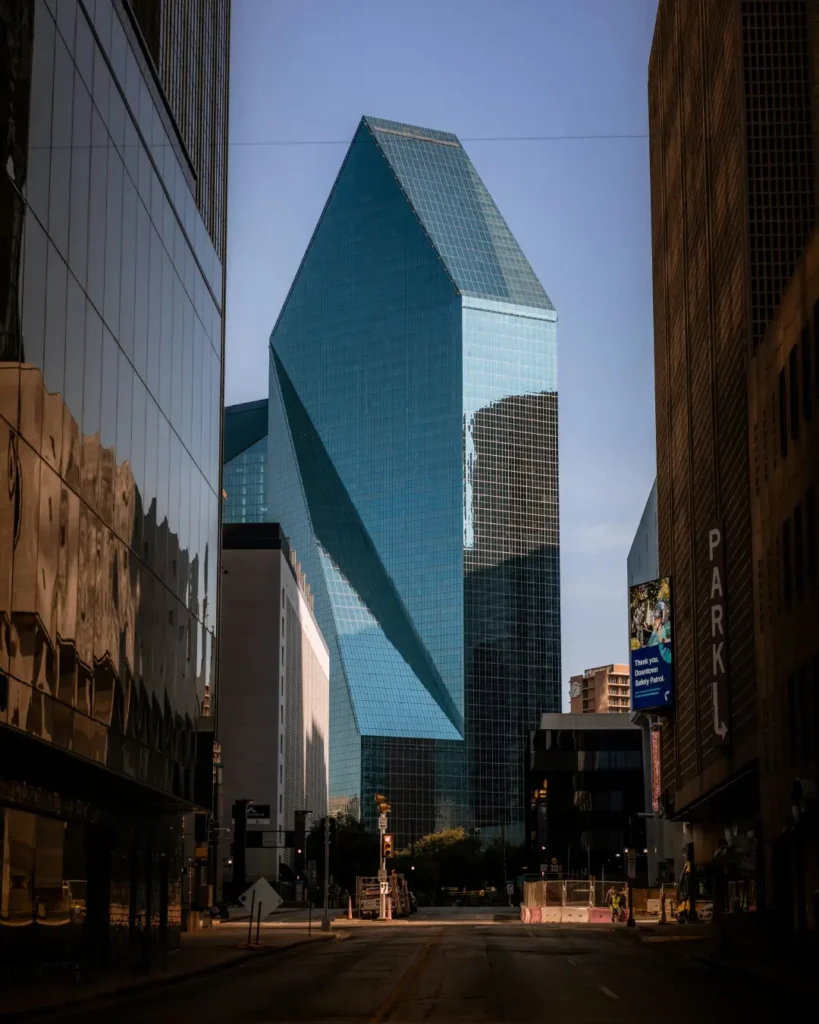
The Dallas–Fort Worth (DFW) metroplex is known for its soaring summer temperatures, sun‑splashed skyline and a thriving commercial property market. Modern buildings in this region often feature extensive curtain walls and storefront glazing that create an inviting, light‑filled environment for workers and visitors. However, those expansive glass surfaces can also become energy drains. Without the right glazing technology, solar heat gain drives up cooling loads in summer, while heat escapes during occasional cold snaps, forcing mechanical systems to work harder.
One technology that addresses these challenges is low‑emissivity (Low‑E) glass. Low‑E coatings help control the transfer of heat and light through glass, maintaining indoor comfort and reducing energy consumption. This article explores how Low‑E glass benefits commercial properties in DFW, the science behind the coatings, considerations for architects and property managers, and how a knowledgeable glazing partner like Alex’s Glass Company can help you make informed choices. The goal is to provide an in‑depth guide that positions your business as a trusted source for commercial glass replacement and energy‑efficient upgrades in the metroplex.
Understanding Low‑E Glass
Low‑emissivity glass features a microscopically thin metallic or oxide coating applied to one or more surfaces of the glazing. This coating reflects infrared energy (heat) while allowing visible light to pass through. Unlike tinted glass, Low‑E coatings do not significantly alter a building’s appearance. By minimising the amount of heat that enters or leaves the building, Low‑E glass reduces the load on heating, ventilation and air‑conditioning (HVAC) systems. Sources emphasise that Low‑E coatings block infrared radiation while letting in natural light, helping maintain comfortable indoor temperatures and reducing strain on mechanical systems.
There are several types of Low‑E coatings used in commercial glazing:
- Passive Low‑E (pyrolytic) coatings are applied during glass manufacturing. They have a durable hard coat that can be used on single panes or the #2 surface of double‑glazed units. Passive Low‑E glass prioritises heat retention, making it useful for buildings facing cold winters or high heating demands.
- Solar control Low‑E (sputtered) coatings are deposited in a vacuum after glass production. These soft‑coat options are often used on the #2 surface of insulated glass units (IGUs) and provide strong solar control by reflecting a portion of the sun’s heat while allowing plentiful daylight. Guardian Glass notes that solar control Low‑E products optimise light transmission and thermal performance, reducing air‑conditioning loads while keeping interiors bright and cool.
- Triple silver Low‑E coatings employ multiple layers of silver to maximise both solar control and thermal insulation. The World Economic Forum points out that triple Low‑E coatings can reduce a standard U‑value (heat transfer rate) from 5.7 W/m²K to 0.5 W/m²K—around ten times greater insulation than uncoated double glazing.
These different low‑emissivity products allow building owners and architects to tailor glazing performance to the specific orientation and energy profile of their building. In DFW, solar control Low‑E products are especially important for reducing cooling loads during hot summers.
Why Low‑E Glass Matters for Commercial Buildings
Enhanced Energy Efficiency & Lower Operating Costs
The primary driver for specifying Low‑E glazing in commercial property is energy savings. By reflecting infrared energy, Low‑E coatings reduce heat transfer and help maintain consistent indoor temperatures. According to industry guidance, the coatings “reduce heat transfer by blocking infrared radiation while allowing visible light through, keeping indoor spaces comfortable and reducing strain on HVAC systems”. Reduced heat transfer translates to lower heating and cooling loads, leading to a smaller carbon footprint and energy bills.
Solar control Low‑E glass also cuts peak cooling demand by reflecting a significant portion of solar heat. Guardian Glass notes that these coatings let sunlight through while reflecting much of the sun’s heat, keeping interior spaces bright and cool and reducing air‑conditioning requirements. By maintaining indoor comfort with less mechanical conditioning, Low‑E glazing reduces the size and runtime of HVAC equipment, offering long‑term operational savings.
Triple Low‑E coatings deliver even greater thermal performance. The World Economic Forum reports that triple Low‑E glazing can improve thermal insulation by up to tenfold compared with standard double glazing. Case studies reveal that triple‑glazed units combining multiple Low‑E coatings achieved 81 % thermal insulation improvement and 57 % more effective daylight control than uncoated double glass, with a payback period of only two to three years. Such high‑performance units might be particularly beneficial for buildings pursuing LEED certification or net‑zero energy goals.
Improved Occupant Comfort & Productivity
A comfortable indoor environment promotes employee well‑being and productivity. Low‑E coatings help manage solar heat gain and reduce temperature swings near windows. Sources explain that by limiting infrared radiation, Low‑E glass maintains more consistent indoor temperatures, keeping occupants comfortable year‑round.
Another major benefit is glare control and visual comfort. Large expanses of standard clear glass can cause glare and visual discomfort, especially in open‑plan offices. Guardian Glass notes that Low‑E glazing “mitigates glare and increases visual comfort for occupants,” particularly in buildings with high window‑to‑wall ratios. By balancing visible light transmission with solar control, Low‑E glass allows occupants to enjoy abundant daylight without the discomfort of harsh brightness or eyestrain.
Natural light has been shown to support better mood, circadian rhythms, and productivity. Low‑E coatings maximise natural light while controlling heat, reducing reliance on artificial lighting and improving occupant well‑being. The improved daylighting also lowers lighting-related energy consumption, further contributing to energy efficiency.
Reduced Fading & UV Protection
Beyond energy and comfort benefits, Low‑E glass provides valuable protection against ultraviolet (UV) radiation. Many commercial tenants display merchandise, artwork, signage and furnishings that can fade or degrade from long‑term UV exposure. While Low‑E glass is primarily designed to control heat, the coatings also block a significant portion of UV rays. This reduces fading of interior finishes and preserves the quality of merchandise and décor—key for retail stores, restaurants and lobby areas.
Sustainability & Code Compliance
With the increasing focus on sustainability and building performance, Low‑E glass helps commercial owners meet energy codes and sustainability certifications. City of Dallas and Fort Worth building regulations reference the International Energy Conservation Code (IECC), which sets maximum U‑values and solar heat gain coefficients (SHGC) for commercial fenestration. Low‑E glazing allows projects to meet or exceed those requirements. Triple Low‑E units, for example, achieve U‑values as low as 0.5 W/m²K.
Choosing high‑performance glazing also supports green building certifications such as LEED or WELL. Low‑E glass contributes to energy optimisation credits, daylighting credits, and occupant comfort metrics. For corporate tenants with sustainability mandates, such features can enhance the marketability of commercial properties.
Carbon Footprint & Incentive Opportunities
Reducing building energy consumption directly lowers greenhouse gas emissions. Many municipalities and utility providers in Texas offer rebates or tax incentives for installing energy‑efficient glazing. Some sources note that cost savings can be supplemented through rebates and incentive programs. Additionally, companies with environmental, social and governance (ESG) goals can track the reductions in carbon emissions achieved by Low‑E upgrades.
Overall, Low‑E glass provides a compelling return on investment when factoring in energy cost savings, smaller HVAC equipment, rebates and longer equipment lifespan. When combined with modern building automation and efficient lighting, Low‑E glazing can significantly improve a building’s overall energy performance.
Designing with Low‑E Glass: Key Considerations
To maximise the benefits of Low‑E glazing in commercial properties, consider the following factors:
- Building Orientation – Evaluate the direction each façade faces. South‑ and west‑facing facades typically require stronger solar control to reduce heat gain, whereas north‑facing facades may benefit more from passive Low‑E coatings that retain heat during winter while providing ample daylight. An energy model can help determine the optimal coating for each orientation.
- Glazing Configuration – Decide between double glazing with a single Low‑E coating or triple glazing with multiple coatings. While triple glazing offers superior insulation, it is heavier and more costly. Some commercial projects achieve a balance by using triple Low‑E on highly exposed elevations and double Low‑E on less exposed sides.
- Visible Light Transmittance (VLT) – Work with your glazing partner to select a VLT that delivers sufficient daylight while controlling glare. Solar control Low‑E products can be tuned to provide clear views and natural light while blocking unwanted heat.
- Condensation Resistance – In high‑humidity environments or restaurants, condensation can form on cold glass surfaces. Low‑E coatings reflect indoor heat back into the building, which can help reduce condensation and maintain clear views.
- Acoustic & Safety Performance – Commercial buildings often require laminated or tempered glass for safety and noise reduction. Low‑E coatings can be combined with laminated interlayers to enhance security and acoustic insulation without compromising energy performance.
- Integration with Curtain Wall Systems – Work closely with your curtain wall manufacturer and installer to ensure the glazing system is properly designed for thermal breaks, moisture management and structural support. Proper installation is essential to avoid thermal bridging that could undermine the benefits of Low‑E glass.
Case Studies & Real‑World Examples
High‑Rise Office Tower
A 20‑story office building in Downtown Dallas underwent a façade retrofit to improve energy efficiency and attract tenants seeking green office space. Engineers specified double‑glazed Low‑E glass with a high‑performance solar control coating. Energy modelling predicted a reduction in annual cooling load of 15 %. After installation, the building reported a decline in monthly electricity costs and a 2 °-3 °F reduction in perimeter zone temperatures during peak summer days. Tenants appreciated the reduction in glare, which allowed open blinds and improved daylighting. The building earned LEED Gold certification, partly thanks to the glazing upgrade.
Mixed‑Use Development in Fort Worth
A new mixed‑use complex in Fort Worth combined retail and commercial office space with a large atrium. Architects used triple Low‑E glass on the sun‑exposed south façade and double Low‑E units with higher VLT on the north façade. According to the design team, the triple Low‑E panels allowed the atrium to stay comfortable even on hot summer days, reducing HVAC runtime and enhancing occupant satisfaction. The project’s energy model anticipated a payback period of four years on the premium glazing, factoring in utility savings and the marketing advantage of an energy‑efficient building.
University Research Facility
A university in Denton upgraded the windows in a mid‑century research lab. The existing single glazing allowed significant heat gain and glare. After installing solar control Low‑E IGUs, occupant surveys reported better visibility and less discomfort from glare. The improved thermal insulation also reduced nighttime heat loss during winter. The university leveraged a local utility rebate to offset part of the upgrade cost.
These case studies show how Low‑E glazing can adapt to different building types and goals—from new construction to retrofits—and deliver measurable improvements in performance and comfort.
Low‑E Glass and Energy Codes in Texas
Texas follows the 2015 and 2018 editions of the IECC for building energy codes. The IECC specifies maximum U‑values and SHGC values depending on climate zone and building type. DFW lies in climate zone 3, where commercial fenestration must typically meet U‑values around 0.38-0.50 and SHGC around 0.25-0.40. High‑performance Low‑E glass helps achieve or exceed these limits.
It’s important to work with a glazing supplier familiar with state and local codes. Alex’s Glass Company stays abreast of code updates and helps clients select compliant glass products. We coordinate with design teams to ensure that specified products meet both performance and aesthetic requirements. Whether you need a small storefront replacement in Arlington or a full curtain‑wall upgrade in downtown Dallas, our team can provide tailored solutions.
Making the Investment: Costs, Incentives & Payback
Cost is often the main hurdle for property managers considering a Low‑E upgrade. High‑performance glass is more expensive than clear float glass. However, the price difference has decreased over the last decade as Low‑E products become more common. When evaluating cost, consider the following:
- Energy Savings: By lowering heating and cooling loads, Low‑E glass reduces utility bills over the life of the building. Sources highlight that energy savings, combined with rebates, can offset the cost of Low‑E installations.
- Equipment Downsizing: Buildings that incorporate high‑performance glazing may be able to specify smaller HVAC equipment, reducing initial construction costs.
- Maintenance & Longevity: With better insulation and UV protection, building interiors experience less wear and tear, potentially reducing maintenance and replacement costs for flooring, furnishings and artwork.
- Rebates & Incentives: Utilities like Oncor, CenterPoint and energy‑efficiency programs may offer rebates for high‑performance glazing. Check available incentives early in the design process.
- Tax Deductions: Section 179D of the U.S. tax code provides deductions for energy‑efficient commercial buildings, which can include high‑performance windows and curtain walls.
The World Economic Forum case study cited earlier noted that triple‑Low‑E glazing in an Ankara residential project provided a payback in just 2-3 years. Although this project was not in Texas, the payback period shows that investing in better glazing can yield quick returns, especially in regions with high cooling loads like DFW.
Choosing the Right Partner
Selecting and installing Low‑E glass is not a DIY task. Commercial projects benefit from partnering with a knowledgeable glass contractor who understands both the technology and the DFW market. Alex’s Glass Company brings years of experience serving businesses across Dallas–Fort Worth. Our team works closely with architects, contractors and property owners to assess building orientation, energy goals and budget. We supply and install a wide range of Low‑E products—from cost‑effective double‑silver coatings to cutting‑edge triple‑silver units—ensuring that the glazing meets performance requirements without sacrificing aesthetics.
We also handle related services such as:
- Custom Glass Fabrication: Creating custom shapes, sizes and edge treatments for storefronts, curtain walls and interior partitions.
- Retrofit Installation: Removing existing glazing and installing new IGUs, often without disrupting building operations. We coordinate with property managers to minimise downtime.
- Code Compliance & Documentation: Providing performance data, energy calculations and documentation required for permits, tax credits and green building certifications.
- Warranty & Maintenance Support: Offering manufacturer warranties and post‑installation support to ensure the glazing continues to perform over the long term.
Conclusion: A Clear Path to Efficiency & Comfort
As the DFW metroplex continues to grow and commercial buildings compete to attract tenants and visitors, energy efficiency and occupant comfort are more important than ever. Low‑E glass is a proven technology that reduces heating and cooling loads, maximises natural light, mitigates glare and contributes to sustainable building certifications. By selecting the right Low‑E product for each façade, building owners can cut energy costs, improve occupant well‑being and meet or exceed modern energy codes.
If you’re ready to explore the benefits of Low‑E glass for your commercial project whether a new headquarters in Plano, a retail upgrade in Arlington or a façade retrofit in Downtown Dallas Alex’s Glass Company is here to help. Contact us for a consultation and let our experts guide you through product selection, energy modelling and installation. Together we can make Dallas-Fort Worth’s skyline brighter, more comfortable and more sustainable for years to come.