
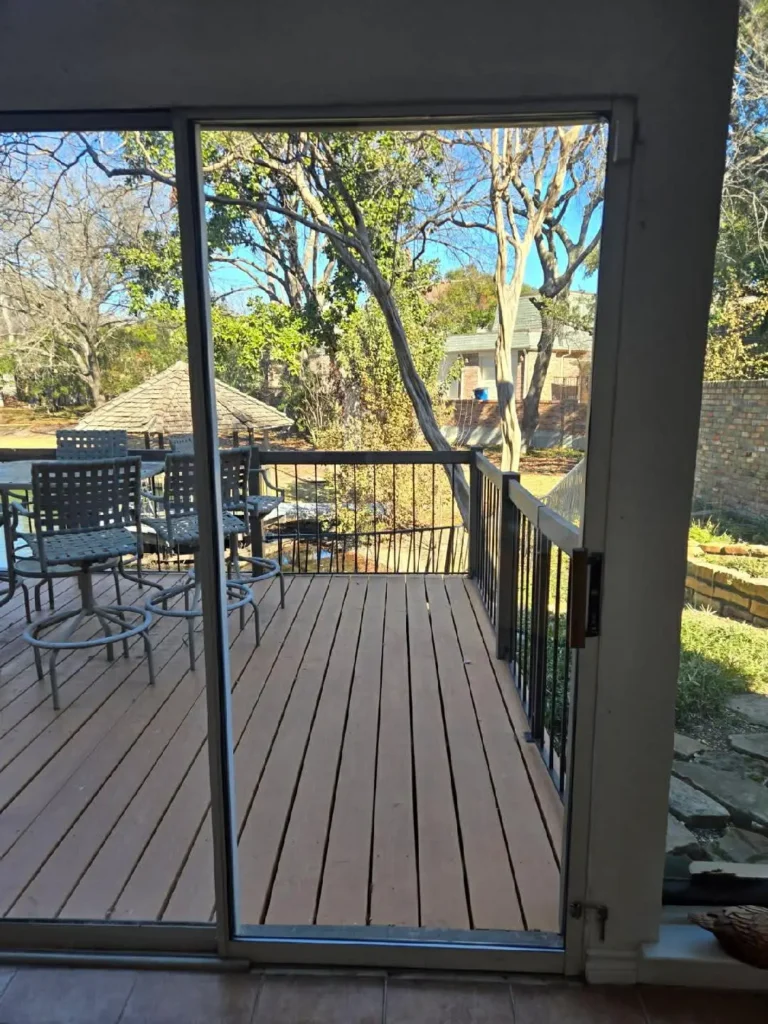
Most homeowners don’t think about their windows until they stick on humid summer days or let cold drafts whistle through in winter. Windows are the workhorses of your home’s comfort and energy efficiency, and understanding their lifespan, performance and replacement options can make a huge difference to your utility bills and resale value.
This article explores how long different types of windows last, signs they need replacing and why the climate in Dallas–Fort Worth (DFW) accelerates wear. We also dive into the benefits of energy‑efficient windows, how to choose replacements suited to North Texas weather, cost–versus–value considerations and answers to common questions.
How Long Do Windows Typically Last?
Window longevity depends on the frame material and maintenance. According to window professionals interviewed by The Spruce, well‑made fiberglass windows last 20-50 years, while vinyl windows average 20-30 years but can fail sooner in extreme climates. Wood windows can last 15-30 years when properly maintained. Even the best windows eventually degrade because of daily exposure to sun, moisture and temperature swings. Over time, frame materials warp, seals fail, and hardware wears out, leaving homeowners with drafty, inefficient and sometimes inoperable windows.
Factors Affecting Lifespan
- Material and construction – Quality frames, insulated glass and durable weatherstripping extend longevity. Builder‑grade windows or single‑pane glass used in many homes built between 1990 and 2005 often fail earlier.
- Climate – Sun and heat accelerate deterioration, especially for vinyl and aluminum frames. In North Texas, intense summer heat causes constant expansion and contraction that stresses seals and spacers, while UV radiation degrades vinyl and plastic components. Edge sealants become six to eight times more permeable at 140°F than at room temperature, allowing insulating gases to escape.
- Installation quality – Proper installation prevents air leaks and structural strain. Poor installation or settling can cause frames to twist and break seals prematurely.
- Maintenance – Regular cleaning, painting (for wood frames), caulking and replacing damaged weatherstripping helps windows reach their full lifespan.
Signs Your Windows Need Replacement
You don’t need a tape measure or thermal imaging camera to tell when windows are failing. Warning signs include:
- Difficulty opening or closing – Warped frames or deteriorated hardware make sashes stick.
- Drafts or noticeable temperature changes – Air leaks raise your utility bills and decrease comfort.
- Condensation between panes – Fogging or water droplets inside double‑pane glass indicate seal failure and gas loss.
- Fading furniture or flooring – UV radiation passing through old, single‑pane glass fades fabrics and wood.
- Increased noise – Old windows let outside noise intrude, while modern windows dampen sound.
- Higher energy bills – Drafty windows force your HVAC system to work harder. Heat gain and loss through windows account for 25-30 % of residential heating and cooling energy use.
- Water leakage or visible damage – Rot, mold and water stains around frames indicate structural issues.
Repair vs. Replace
Minor issues like torn screens, missing weatherstripping or cracked panes can be repaired. However, if your windows are more than 20 years old, have extensive damage, or no longer open or close properly, replacement typically makes more sense. Replacement windows offer improved energy efficiency, easier operation and better security.
Why DFW’s Climate Accelerates Window Failure
The Dallas–Fort Worth region experiences scorching summers, humidity and occasional severe storms. This combination places unique stress on window materials:
- Extreme heat – North Texas heat causes frames and glass to expand and contract repeatedly, stressing seals and spacers. Aluminum frames without thermal breaks conduct heat quickly, leading to seal failures and leaks. Vinyl frames expand more than glass and can warp or twist.
- UV radiation – Prolonged exposure to sunlight breaks down vinyl and plastic components. Many builder‑grade windows lack UV stabilizers and crack or become brittle.
- Humidity and storms – Moisture causes wood rot and invites mold; high winds and hail test the structural integrity of frames.
- Energy costs – With windows responsible for up to 30 % of cooling and heating energy use, inefficient windows amplify already high summer utility bills.
Because many DFW homes still have builder‑grade aluminum or early vinyl windows, these climate stresses mean your windows may be near the end of their lifespan, even if your house is only 20–30 years old.
Benefits of Replacing Old Windows
Investing in modern, energy‑efficient windows pays dividends in comfort, utility savings and home value.
Improved Energy Efficiency
The U.S. Department of Energy reports that heat gain and loss through windows account for 25-30 % of residential heating and cooling energy use. Upgrading to energy‑efficient windows reduces this loss. ENERGY STAR estimates that replacing single‑pane windows with certified models can lower household energy bills by up to 13 %. A household that upgrades from single‑pane to energy‑efficient windows can save between $126 and $465 per year, according to U.S. Department of Energy estimates. Even for homes with double‑pane windows, new low‑emissivity (low‑E) coatings, gas fills and improved spacers can reduce heat transfer and improve comfort.
Enhanced Comfort and Health
Modern double‑ or triple‑pane windows with low‑E coatings deliver fewer drafts, more consistent indoor temperatures and less condensation. They also reduce noise from busy roads or airports. Some homeowners notice fewer allergy symptoms thanks to better seals that keep dust and pollen out.
Increased Home Value and Return on Investment
Replacing windows isn’t just a comfort upgrade it’s an investment that pays back at resale. Data from the Journal of Light Construction’s 2025 Cost vs Value Report show that vinyl replacement windows recoup about 76 % of their cost, while wood windows recoup roughly 70 %. The report notes that many homeowners recover 70-85 % of the project cost when selling. A separate cost vs. value analysis for 2025 highlights even higher returns in some markets: vinyl windows often approach a 95 % ROI, while wood windows recoup close to 90-95 %.
Better Curb Appeal
New windows with modern styles, colors and grilles can dramatically improve your home’s appearance and offer buyers the appeal of “new, energy‑efficient windows” in listing descriptions. They also improve security, as new locks and sturdy frames deter intruders.
Selecting Replacement Windows for DFW Homes
1. Choose Energy‑Efficient Glass
- Double- or triple‑pane glass – Multiple panes separated by inert gas (argon or krypton) slow heat transfer and improve insulation.
- Low‑E coatings – Microscopically thin metallic layers reflect heat and UV radiation, keeping interiors cooler in summer and warmer in winter.
- Gas fills – Argon or krypton gas between panes increases insulation. Argon is more common and cost‑effective, while krypton offers better performance for narrow spaces.
2. Consider Frame Materials
- Vinyl – Affordable, low‑maintenance and energy‑efficient. Modern vinyl windows have improved UV stabilizers, making them suitable for DFW’s sun. However, extreme heat can still cause expansion and warping over time.
- Fiberglass – High durability, excellent energy efficiency and minimal expansion/contraction. Fiberglass frames can last 20-50 years and resist North Texas heat.
- Wood – Offers classic aesthetics and good insulation. Requires regular painting or staining, but new exterior claddings reduce maintenance. Lifespan depends on upkeep (15-30 years).
- Aluminum – Strong and slim frames, but conduct heat quickly. Look for thermally broken aluminum to reduce heat transfer. Builder‑grade aluminum frames without thermal breaks often fail in DFW.
- Composite – Blend of materials (wood fibers and polymer) offering durability and good thermal performance.
3. Look for Certifications and Ratings
- ENERGY STAR ® certification – Windows meeting EPA guidelines can reduce heating and cooling costs by up to 13 %. Look for the ENERGY STAR label appropriate for the South-Central climate zone, which includes DFW.
- National Fenestration Rating Council (NFRC) label – Provides U‑factor (rate of heat loss), Solar Heat Gain Coefficient (SHGC) and visible transmittance (VT). In hot climates like North Texas, choose low SHGC to reduce solar heat gain and low U‑factor for insulation.
4. Installation Quality Matters
Even the best window performs poorly if installed incorrectly. The DOE emphasizes professional installation to ensure proper flashing, sealant and alignment. Look for contractors with experience replacing windows in North Texas homes and ask about warranties.
Improving Existing Windows Before Replacing
If full replacement isn’t in the budget yet, you can still improve efficiency:
| Measure | Description | Benefit |
|---|---|---|
| Caulking and weatherstripping | Seal cracks and joints around frames and sash to prevent air leaks | Low cost; immediate energy savings |
| Storm windows | Add interior or exterior storm panels to reduce air infiltration and protect against storms | Boosts insulation; cheaper than full replacement |
| Solar control film / shades | Reflects UV and infrared light, reducing heat gain | Helps maintain cooler interiors and prevents fading |
| Shading (awnings, pergolas, landscaping) | Provides natural shade; reduces solar heat gain | Enhances comfort; extends lifespan of windows |
These improvements can buy time while you save for replacement windows. However, if your windows are severely deteriorated, replacement remains the long‑term solution.
Cost vs. Value and ROI Considerations
Understanding ROI
Return on investment (ROI) measures the percentage of a project’s cost that you recover when you sell your home. It combines direct energy savings and increased resale value. As mentioned earlier, vinyl windows recover roughly 76 % of their cost at resale, while wood windows recoup around 70 %. Some regional cost-vs-value analyses show vinyl windows approaching 95 % ROI and wood windows recouping 90-95 %.
Factors Influencing ROI
- Local Real Estate Market – High‑growth markets often yield better returns. DFW’s strong housing market means buyers value energy-efficient upgrades.
- Window Material – Vinyl usually provides the highest ROI due to lower cost and good performance. Wood windows have strong ROI because buyers appreciate their beauty and customizability.
- Project Scope – Whole‑house replacement shows more impact than replacing a few problem windows.
- Buyer Perception – Energy efficiency is a selling point. Realtors often highlight new, ENERGY STAR‑certified windows in listings.
- Maintenance – Durable windows and transferrable warranties add value.
Cost Range
Window replacement costs vary widely based on material, size and installation complexity. Recent estimates suggest $300-$1,200 per window installed for typical homes, with an average around $700-$900 for standard vinyl or fiberglass units in 2026. Custom sizes, impact‑resistant glass and full‑frame replacement add to the cost. Always obtain multiple quotes from licensed contractors and request details on materials, labor and warranty coverage.
Best Practices for DFW Homeowners
- Evaluate Your Existing Windows – Check for drafts, condensation, difficulty operating and visible damage. Determine if repairs like caulking or weatherstripping could extend their life.
- Prioritize South- and West‑Facing Windows – These sides get the most intense sun in DFW. Upgrading them first can deliver immediate comfort and efficiency gains.
- Select Windows Suited to DFW’s Climate – Opt for low‑E glass, low SHGC ratings and materials that resist heat expansion, like fiberglass or thermally broken aluminum.
- Hire Experienced Installers – Look for companies with references in North Texas. Proper sealing and flashing ensure windows perform as rated.
- Maintain Your Investment – Clean tracks and glass regularly, inspect caulking, and adjust hardware as needed. For wood windows, repaint or stain according to manufacturer recommendations.
FAQ: Your Glass Replacement Questions Answered
Q1: How long do replacement windows last?
A: Fiberglass windows can last 20-50 years, vinyl 20-30 years, and wood 15-30 years with proper maintenance. Quality installation and care extend lifespan.
Q2: When is the best time to replace windows in DFW?
A: Fall and early spring offer mild temperatures and easier scheduling with contractors. However, professional installers can replace windows year‑round. Avoid the peak of summer when demand and heat are highest.
Q3: Do energy‑efficient windows really save money?
A: Yes. ENERGY STAR estimates that replacing single‑pane windows can cut household energy bills by up to 13 %. The DOE notes that windows account for 25-30 % of home heating and cooling use, so improvements deliver real savings.
Q4: How many quotes should I get for replacement?
A: Experts recommend obtaining at least three quotes from reputable contractors. Compare materials, warranties, installation processes and after‑sales service. Check references and credentials before making a decision.
Q5: Can I replace windows one at a time?
A: Yes. Many homeowners replace windows in phases to spread costs. Start with the most damaged or sun‑exposed units. However, if your budget allows, a whole‑house replacement ensures consistent aesthetics and performance.
Q6: Are there incentives or rebates for installing energy‑efficient windows?
A: Federal tax credits and local utility rebates may be available for ENERGY STAR‑certified windows. Check EnergyStar.gov and local utility programs for current incentives.
Conclusion
Windows are more than panes of glass; they’re integral to your home’s efficiency, comfort and value. In the DFW climate, many homes built in the 1990s and early 2000s now have windows nearing the end of their lifespan. Failing frames, seal failure and drafts not only increase utility bills but also signal that your home may be leaking money and comfort.
Replacing old windows with ENERGY STAR‑certified models yields energy savings, increased comfort, noise reduction and a solid return on investment. ROI studies show vinyl windows can recoup around 76 % of their cost on average, with some markets reporting up to 95 %. While replacement is a significant project, the long‑term benefits in energy savings, resale value and daily comfort often outweigh the upfront cost.
If you’re considering window replacement, evaluate your current windows, research high‑performance materials suited to North Texas heat, and hire experienced professionals. With proper planning, your investment will pay off in year‑round comfort and curb appeal for decades to come.